
Last updated September 20, 2026
Full 25-point door and opener safety check with every visit - springs, cables, rollers, tracks, and your LiftMaster or Chamberlain opener included
You get a price before we start. It does not change when the truck arrives.
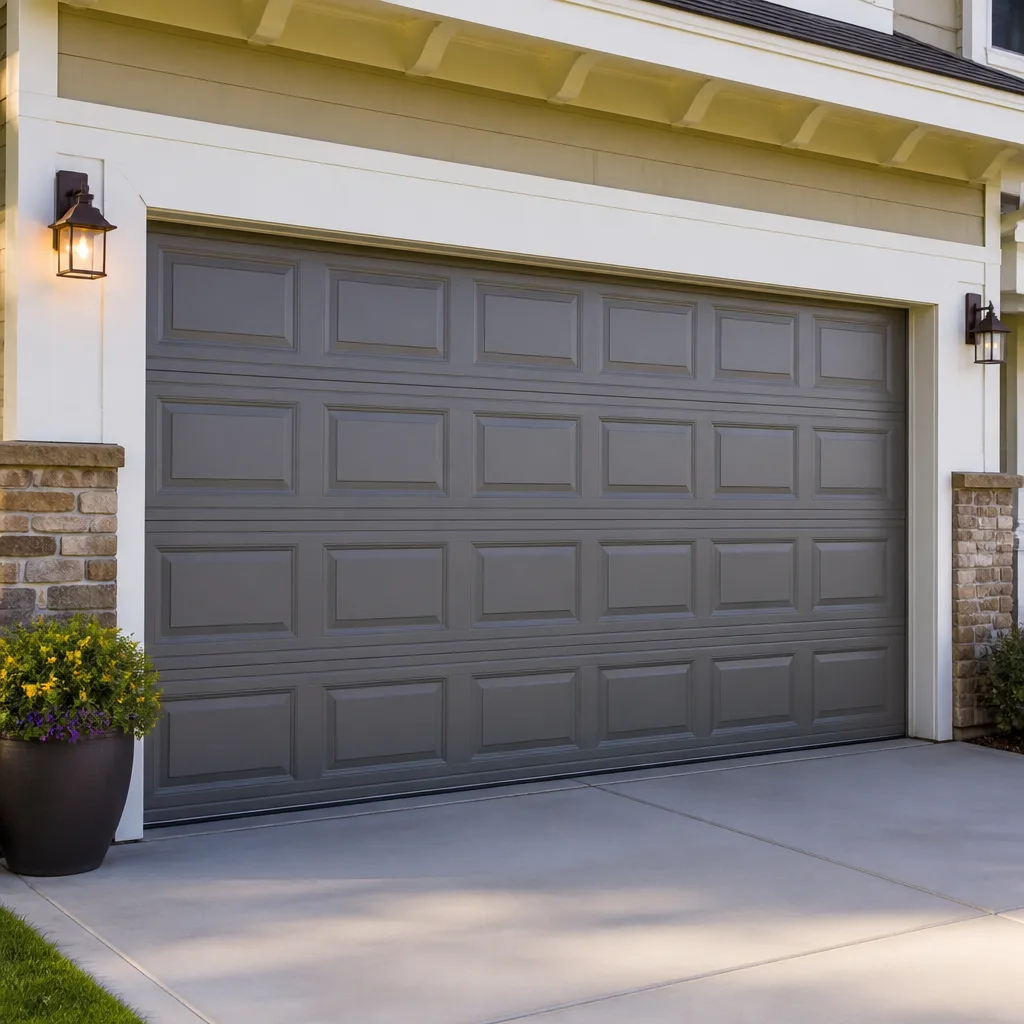
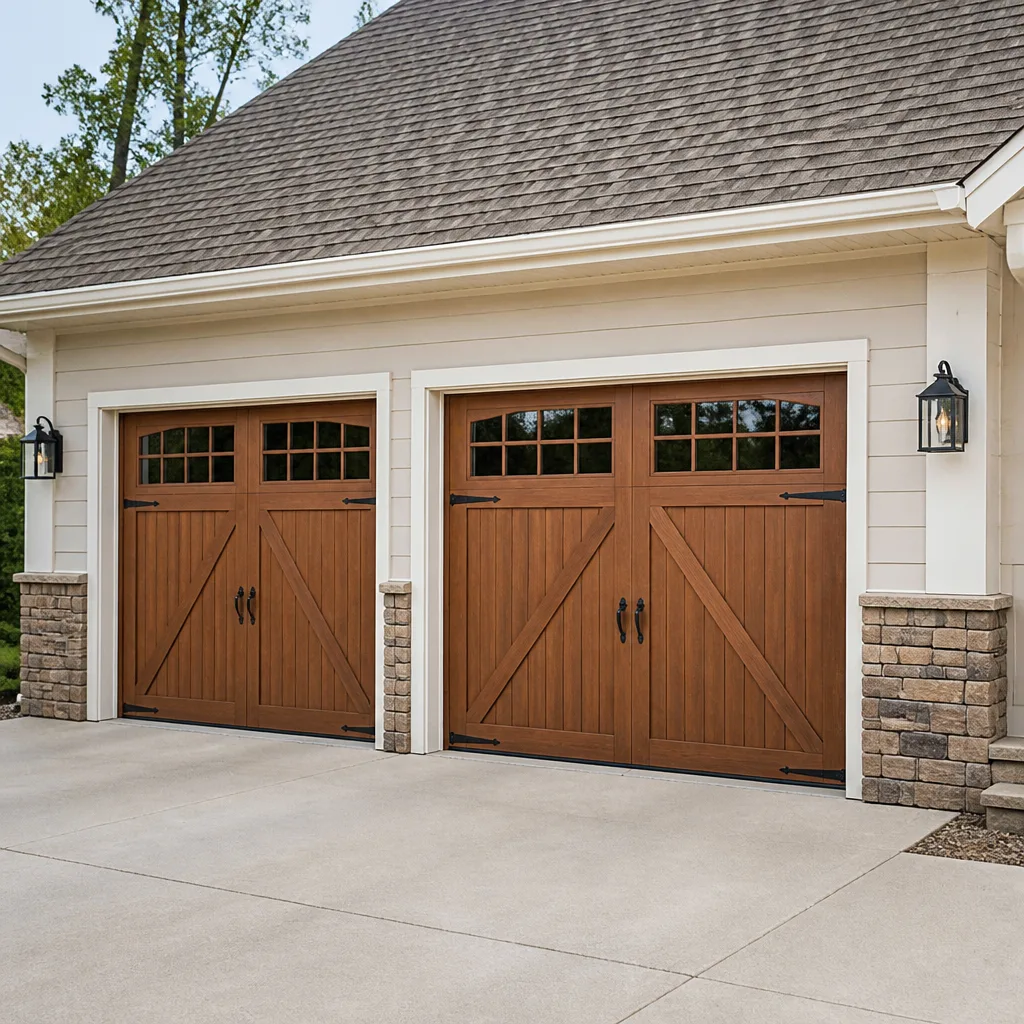
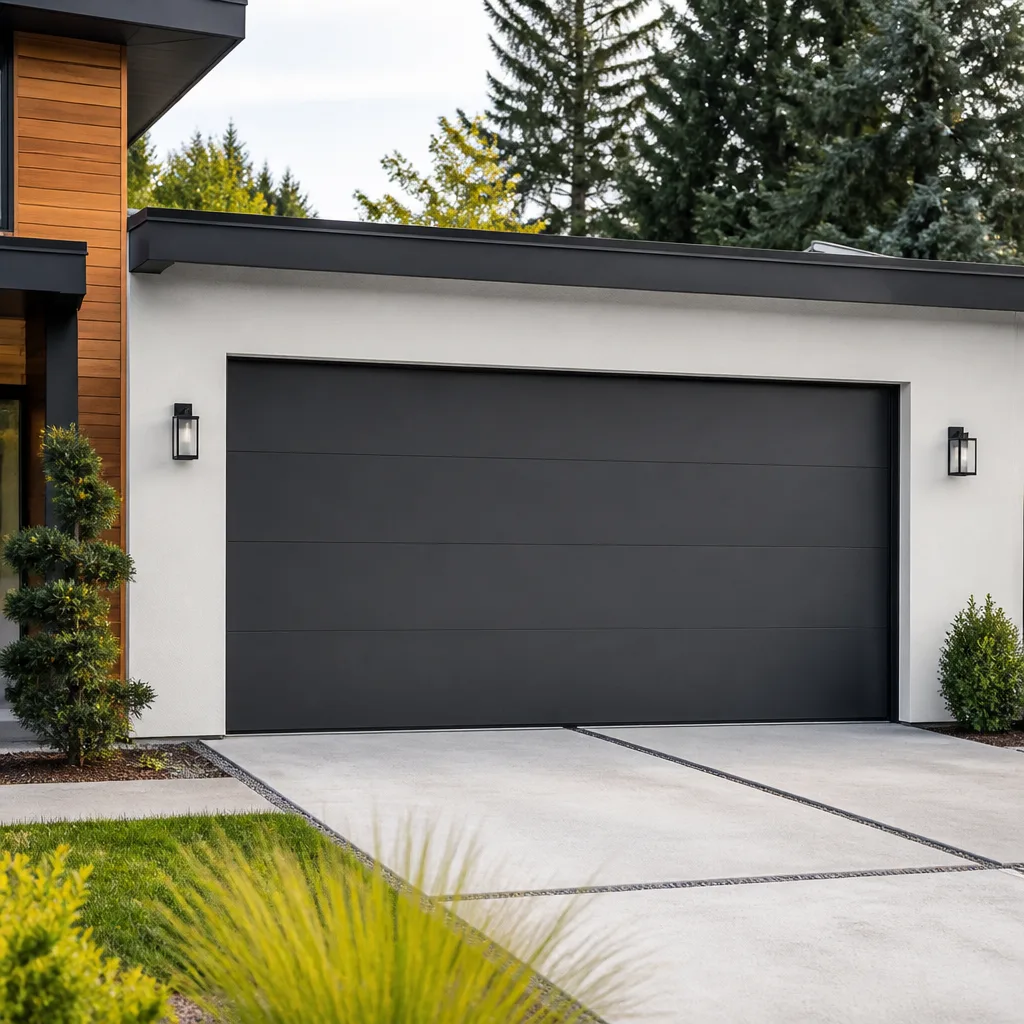
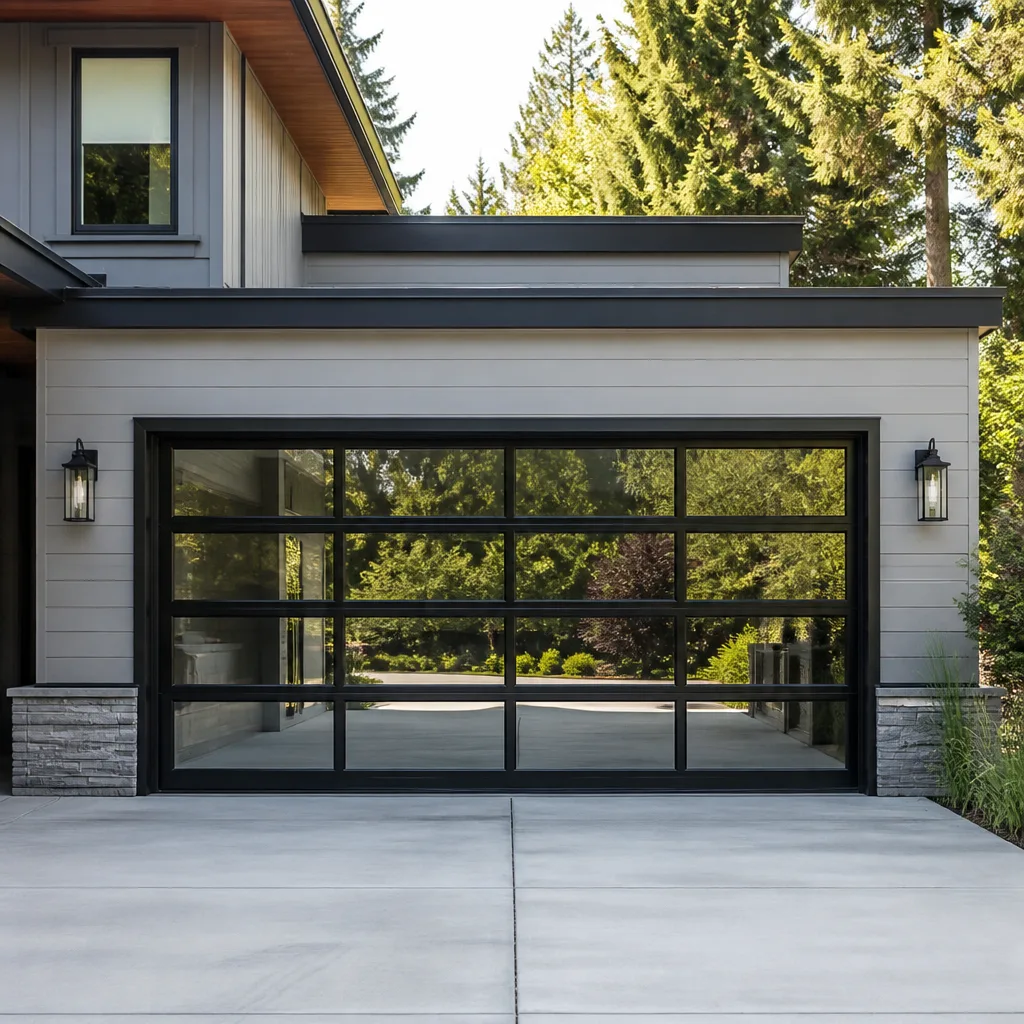
 Before
 After
After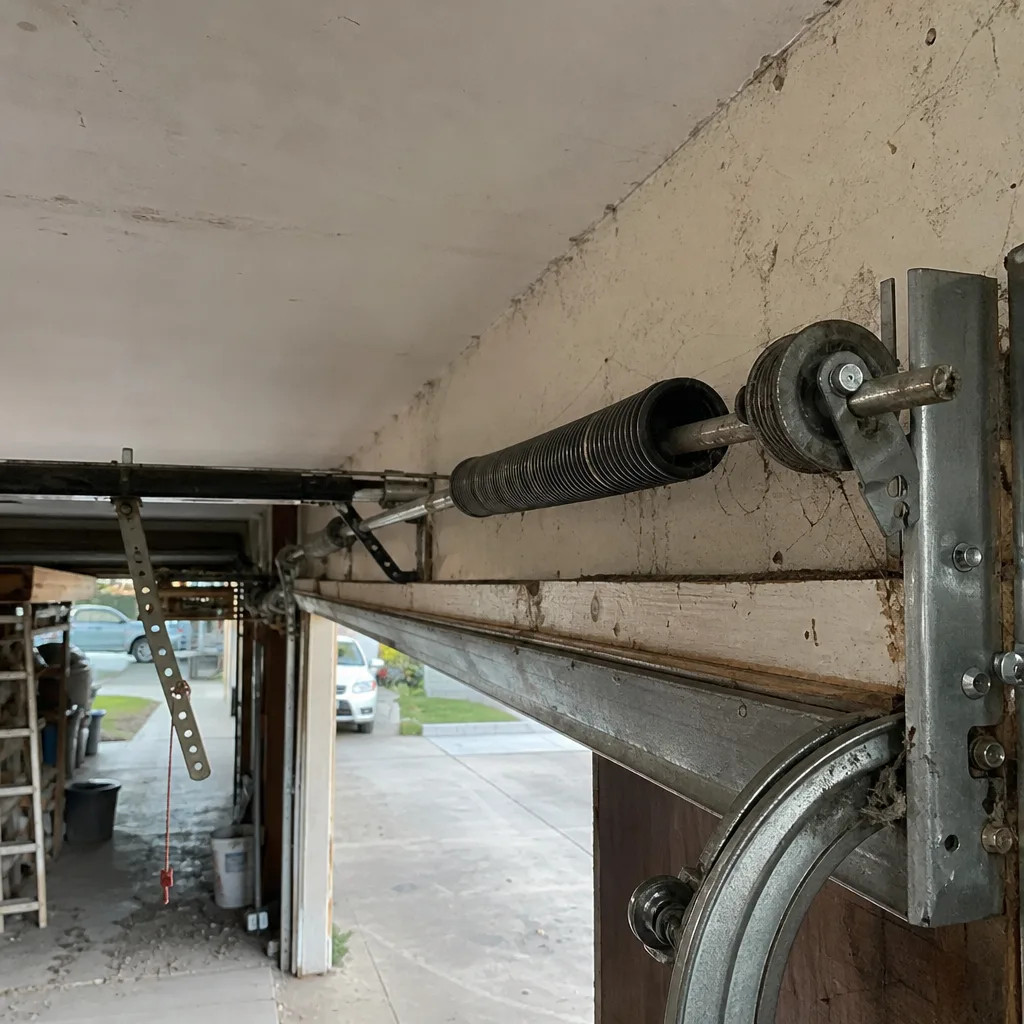 Before
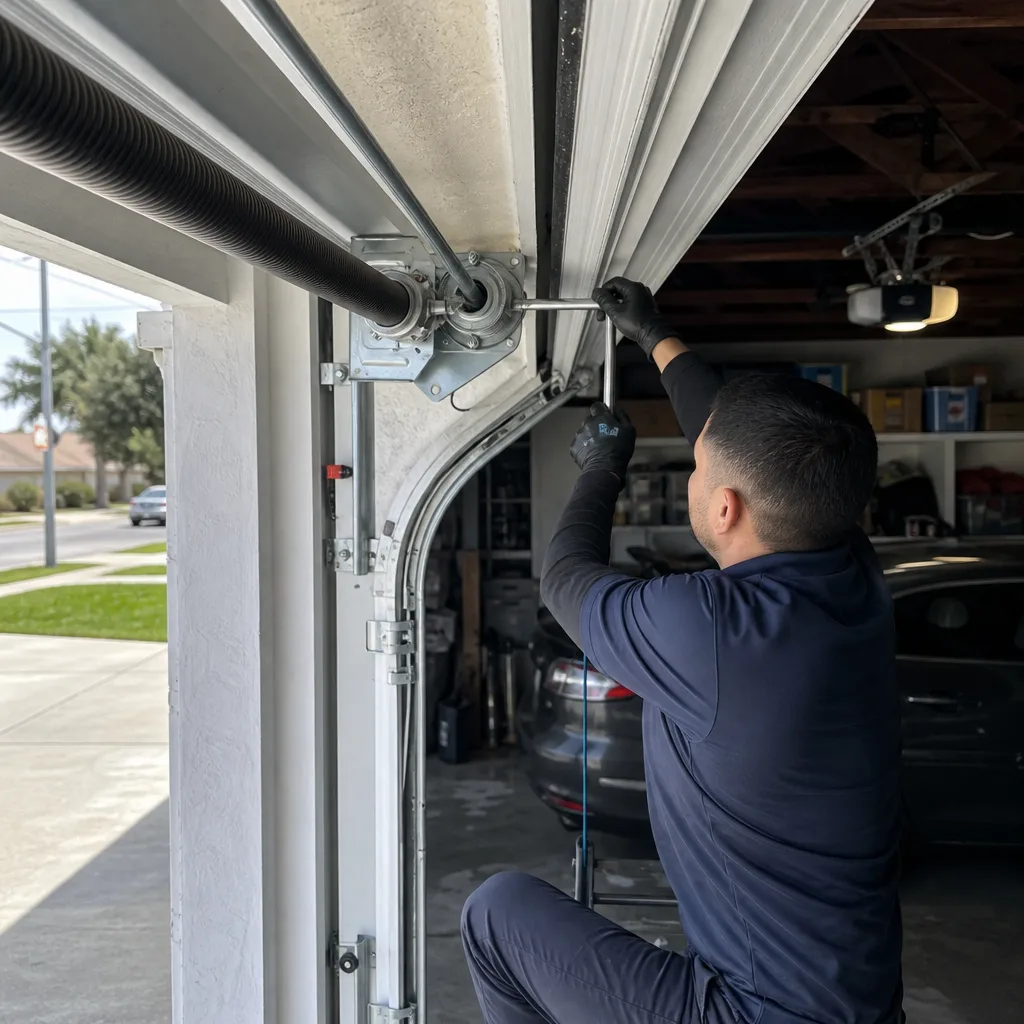 After
After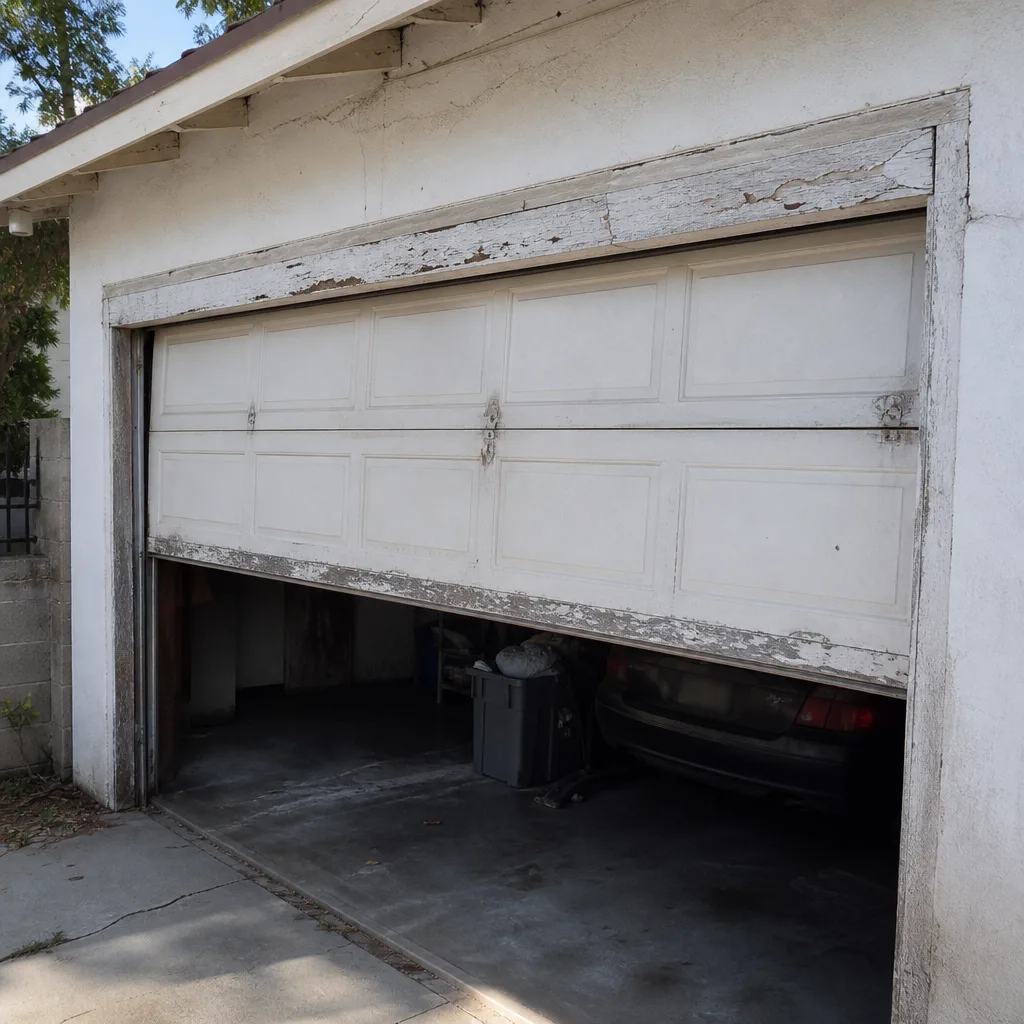 Before
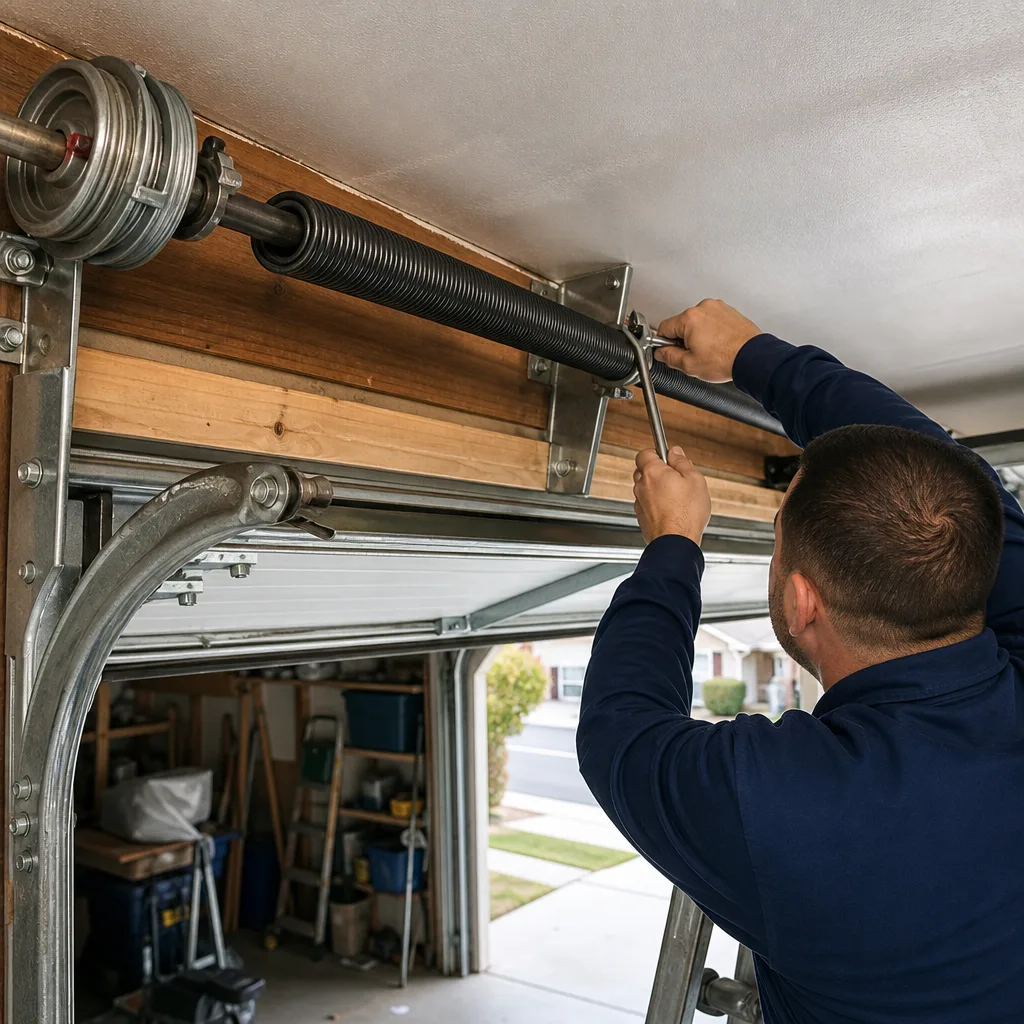 After
AfterThe Complete Guide to Garage Door in Van Nuys
Most Van Nuys homeowners pick a door style before knowing whether their header clearance allows it. That sequencing mistake costs $200 to $400 in field modifications after the truck has already arrived. This guide walks through the decisions in the order they actually need to be made, so you can buy once, document everything, and avoid the retrofit surprises that plague older Valley homes. We’ll cover heat-specific material choices, the HOA approval trap, and what a written pre-job record should contain before a single bolt is touched.
Quick Answer
A garage door in Van Nuys needs to be specified against three local conditions before style ever matters: San Fernando Valley heat exposure (which dictates steel gauge, insulation R-value, and finish type), header clearance in pre-1975 tract homes (which limits track and spring options), and HOA finish requirements (which can add 2-4 weeks of lead time). Expect to spend $1,400 to $3,800 for a properly specified sectional steel door installed, and insist on a written, photographed documentation packet before any work begins. See Garage Door Permits, Codes & Inspections in CA: What You Need to Know to ensure your project meets local requirements.
Table of Contents
- The Decision Sequence: Why Order Matters
- How Van Nuys Heat Changes the Spec Sheet
- Header Clearance in Pre-1975 Van Nuys Tract Homes
- HOA Finish Approval: The Timeline Nobody Budgets For
- Insulation R-Value: What the Number Actually Means Here
- Steel Gauge and Finish Longevity on West-Facing Doors
- The Pre-Job Documentation Packet: What to Demand in Writing
- Selecting the Operator After the Door Is Specified
BeforeAfterThe Decision Sequence: Why Order Matters
Garage door selection has a correct order, and it is not the order showrooms present. Walking into a catalog with a style preference is like choosing cabinets before measuring the kitchen. The opening governs everything. Here is the sequence we use at Servo Garage Doors Van Nuys home, and it prevents the most common source of change orders:
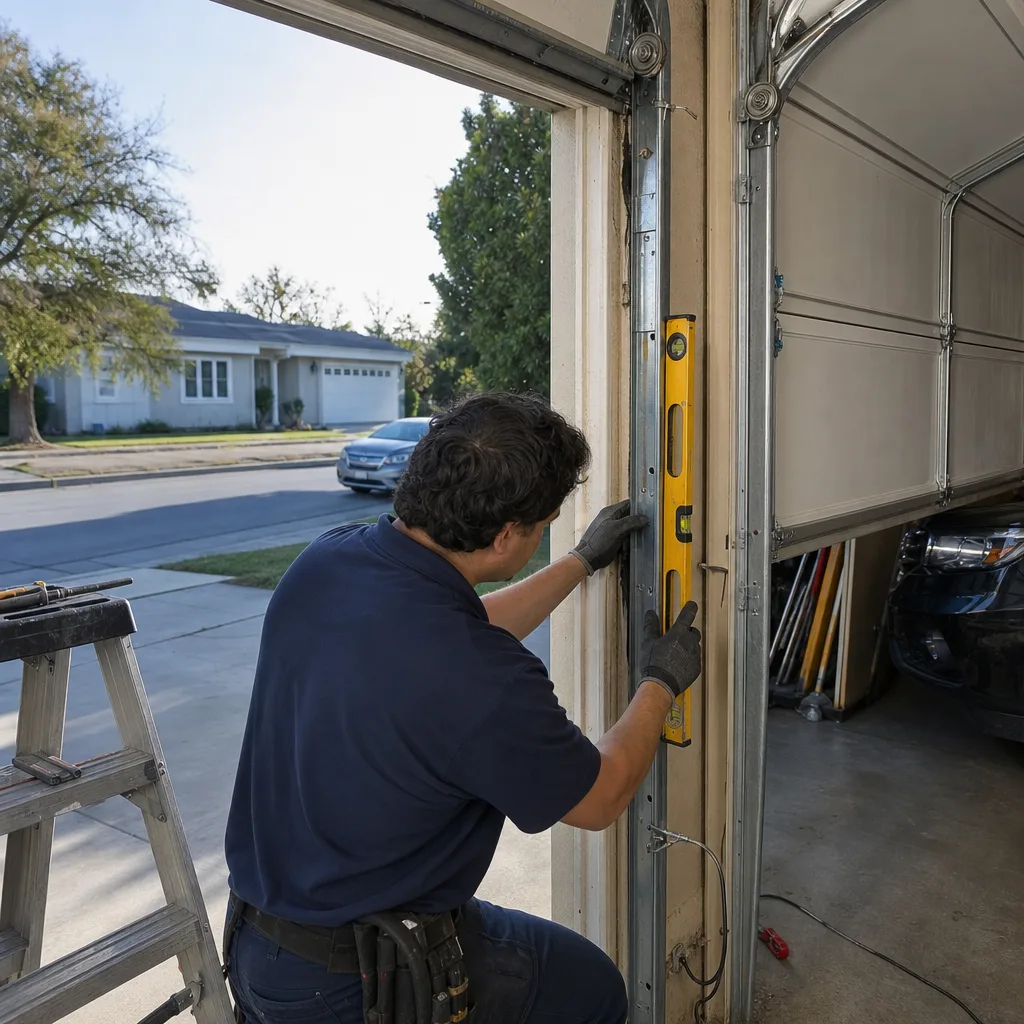
- Measure the finished opening width and height. This is the rough opening after trim, not the old door’s panel size. Homes in Van Nuys built between 1947 and 1975 often have nominal 8-foot-wide by 7-foot-high openings, but settling and stucco work can shave a quarter inch or add a half inch in either direction.
- Measure side clearance and headroom above the opening. Side clearance is the distance from the opening edge to the nearest interior wall. Headroom is the distance from the top of the opening to the garage ceiling joists. These two numbers determine whether you can use a standard 12-inch-radius track or need a low-headroom kit.
- Determine insulation need based on sun exposure and attached/detached status. An attached garage with a bedroom above behaves differently from a detached garage that absorbs heat all day with no conditioned space adjacent.
- Select finish and color, then run HOA approval. This is where Van Nuys buyers stall. The HOA approval clock should start the same day you lock dimensions, not after the door arrives.
- Choose the operator last. The motor and opener package is a function of door weight, balance, and cycle frequency, none of which are knowable until the door spec is final.
Skipping steps one and two is the classic mistake. We’ve been called out to Van Nuys homes where a beautiful Clopay door was ordered from a big-box retailer, and on install day the crew discovered 7 inches of headroom where 12 inches were required. The homeowner then paid for a low-headroom conversion kit, a second spring set, and a second truck roll. That’s the $200 to $400 field modification fee, plus the delay of living with a non-functional garage for another week.
How Van Nuys Heat Changes the Spec Sheet
Van Nuys summers routinely push past 100°F, and the west wall of any garage is a solar collector from 2 PM until sunset. That heat load does three things to a garage door that most national buying guides ignore. First, it accelerates oxidation on thin-gauge steel panels, particularly on the west-facing side that catches direct afternoon sun. Second, it degrades standard vinyl weather seals and bottom astragals in 3 to 5 years instead of 7 to 10. Third, it dramatically raises the interior temperature of an uninsulated garage, which is why a west-facing garage in Van Nuys can hit 115°F inside even when outside air temperature is only 98°F.
The practical spec response is not to buy the thickest steel available and call it done. A 24-gauge panel is sufficient for most Van Nuys applications. What matters more is the finish system. We recommend a factory-applied, baked-on polyester or polyurethane finish over galvanized steel for any door with west or south exposure. Paint-and-primer finishes from a local body shop do not hold up to Valley UV the way factory finishes do.
For detached garages with no conditioned space above, insulation matters less for energy and more for panel stiffness and noise reduction. A 2-inch-thick polystyrene or polyurethane core, which gives you an R-value between 6.5 and 18 depending on density, also makes the panel resist denting from the daily sun-softened rubber bumpers of a minivan in a tight Van Nuys carport. For attached garages with a bedroom or living space above, we also look at the thermal break, not just the core R-value. A polyurethane-injected door with a steel interior skin and a thermal break at the joint edges will outperform a cheaper polystyrene board door with steel on both sides and no break.
Header Clearance in Pre-1975 Van Nuys Tract Homes
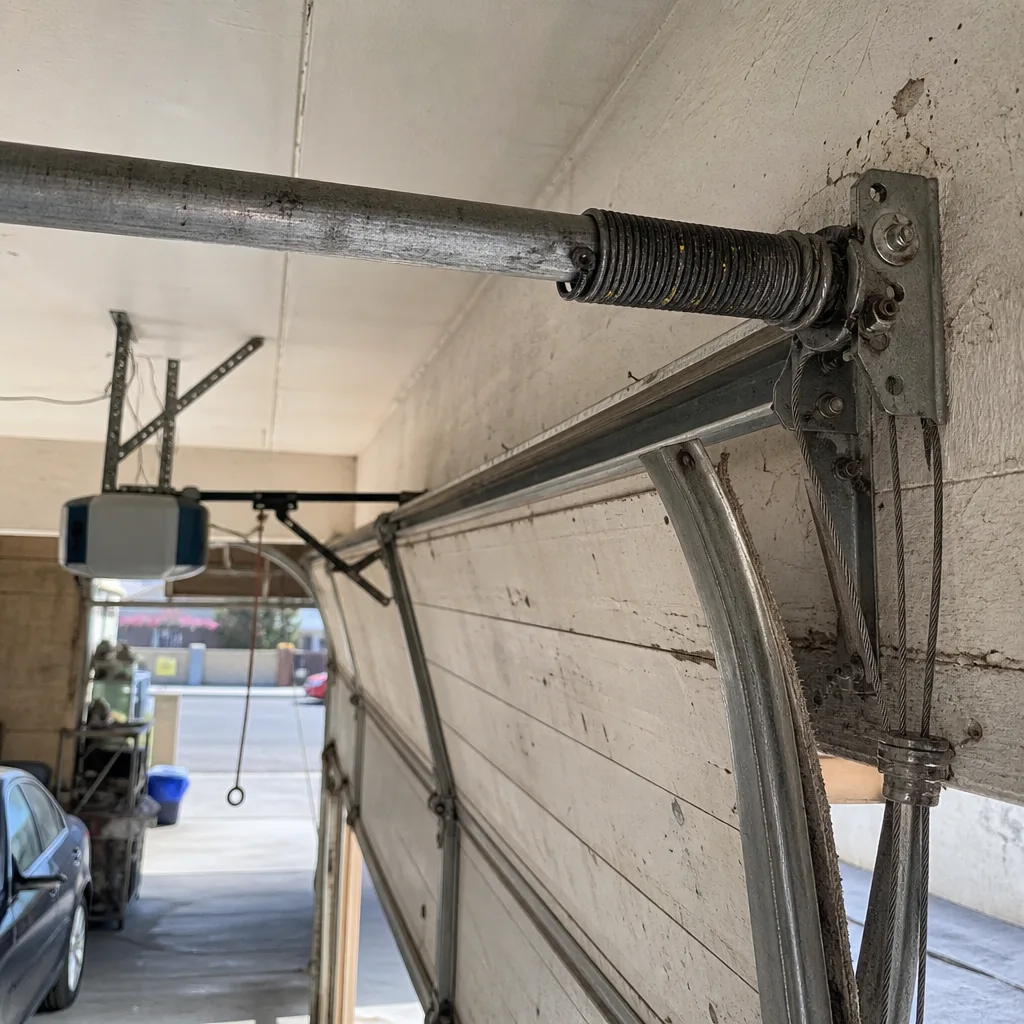
A large share of Van Nuys housing stock was built between 1947 and 1975, when standard garage design assumed a 7-foot door and a 12-inch headroom allowance. Many of these tract homes in neighborhoods like Valley Glen, the area east of Sepulveda, and the blocks around Van Nuys High School use either 2×8 or 2×10 headers, leaving 8 to 10 inches of actual headroom above the finished opening. That is not enough for a standard torsion spring system with a 12-inch-radius track.
The fix is a low-headroom kit, which shortens the horizontal track and relocates the torsion spring assembly. This is a solved engineering problem, not a compromise, but it must be known before the door is ordered. A low-headroom setup also affects operator mounting position and may require an extended belt or chain rail. If you measure your headroom at under 10 inches, tell the supplier at the quoting stage, not at the install stage. If you’re unsure how to measure it, ask whoever gives you a written quote to photograph the header with a tape measure in frame as part of the documentation.
Side clearance matters too in older Van Nuys garages, many of which were built with the door opening flush against an interior wall or the garage’s side property line. Standard torsion springs need 3.5 to 4 inches of side clearance on each side of the opening. If you have less, you either reposition the door (rarely practical) or use extension springs with different hardware. Extension springs are not inferior; they are correct for specific clearance conditions. What matters is that the written scope states which system you’re getting and why.
HOA Finish Approval: The Timeline Nobody Budgets For
Van Nuys is a patchwork of homeowner associations, and finish rules vary block by block. Some associations require all garage doors facing the street to match the original color palette. Others allow any neutral finish but require an ARC (Architectural Review Committee) sign-off that can take 2 to 6 weeks depending on board meeting cadence. Homeowners who order a door and then file for approval are doing it in the wrong order.
The correct move is to request the HOA’s garage door finish spec in writing during week one, before you finalize panel selection. Ask for the exact RAL or paint code if one exists, not just “white” or “tan.” Some Van Nuys-area associations maintain a list of pre-approved colors and even pre-approved panel styles. If your HOA has a pre-approval list, that is a gift: it collapses a 4-week approval into a 1-week confirmation. If it does not, file your application with a brochure photo, a written description of the finish, and a note stating the door will be professionally installed with a documented photo record. A complete application is processed faster than an incomplete one.
Once the door is approved, keep the written approval letter. At minimum, keep it until you sell the house. Van Nuys buyers ask for it, and sellers who cannot produce it get asked to replace a door that was perfectly compliant. If the HOA later challenges the finish, your written approval is the document that settles it.
Insulation R-Value: What the Number Actually Means Here
R-value measures resistance to heat flow. A higher number means less heat passes through the panel. What the spec sheet rarely tells you is that R-value in garage doors is measured at the panel’s thickest point and does not account for edge losses at the panel joints, the window cutouts, or the perimeter seals. In Van Nuys, those edge losses are the bigger story.
A door advertised as R-18 can perform like an R-8 door if the panels have no thermal break and the bottom seal is a torn vinyl flap from 2012. We routinely see garage doors in Van Nuys where the panel core is rated R-12, but the door leaks so much air around the perimeter that the interior temperature tracks outdoor temperature within an hour. The fix is not always a new door; sometimes it is a new bottom seal, a new threshold, and adjusted weatherstripping. That is a $150 to $300 fix versus a $1,800 replacement.
For an attached garage with living space above, the relevant number is the assembly R-value, not the panel R-value. A polyurethane-injected door with steel exterior, steel interior skin, and a thermal break at the panel joints will deliver real insulation performance. A polystyrene board between two steel sheets without a break will not. For detached garages in Van Nuys with no conditioned space, R-value is mostly about panel stiffness and noise, and a 2-inch polystyrene core is adequate.
Steel Gauge and Finish Longevity on West-Facing Doors
Steel gauge is a thickness measurement, and it is counterintuitive: a lower number means thicker steel. A 24-gauge panel is thicker than a 27-gauge panel. Most residential garage doors in Van Nuys are built from 25-gauge, 26-gauge, or 27-gauge steel. The difference matters less for everyday strength than most people assume. What it actually affects is how the panel resists dents from bicycles, basketballs, and the slow bump of an SUV in a short Van Nuys driveway.
For a west-facing door in Van Nuys, finish is the durability variable, not gauge. The afternoon sun is unrelenting from May through October, and UV exposure breaks down paint binder over time. A factory-applied polyester finish on a galvanized substrate will last 10 to 15 years in Valley sun. An aftermarket repaint with alkyd enamel will start to chalk and fade within 3 to 4 years. We see this most often on doors between Vanowen and Sherman Way: the panel style is still good, but the finish looks tired because the original factory coating was repainted by a previous owner.
Two finish decisions matter in the Van Nuys market. First, choose a light color for west-facing doors. Light tan, warm white, and sand tones reflect more heat and show less UV degradation than dark bronze or black. Dark doors on a west wall can have surface temperatures 30°F higher than light doors on the same wall. Second, choose embossed woodgrain patterns over smooth panels. Embossing hides the micro-scratches and minor flaws that smooth dark finishes reveal in harsh sunlight. Clopay and Amarr both offer good embossed steel options in HOA-friendly neutrals. If your heart is set on a smooth modern panel, accept that it will need more finish maintenance on a west exposure.
The Pre-Job Documentation Packet: What to Demand in Writing
Before any garage door work starts in Van Nuys, you should have a written packet that documents what was found, what will be done, and what it will cost. This is not a luxury. It is the difference between a paper trail and a verbal handshake when something goes wrong later. At Servo, this practice is Clause 4 of The Haven Standard: photograph the failed part before quoting a replacement, and deliver the photos with the invoice.
A complete pre-job packet contains five items:
- A written scope of work. This names the door, the panel gauge, the finish code, the track radius, the spring type and cycle rating, and the operator model if one is included. If any part is unclear, the scope is incomplete.
- A flat written price. Per Clause 1 of The Haven Standard, every job carries a written price and written scope before any work begins. The price is agreed before the work starts and does not change once the job begins unless the scope changes in writing.
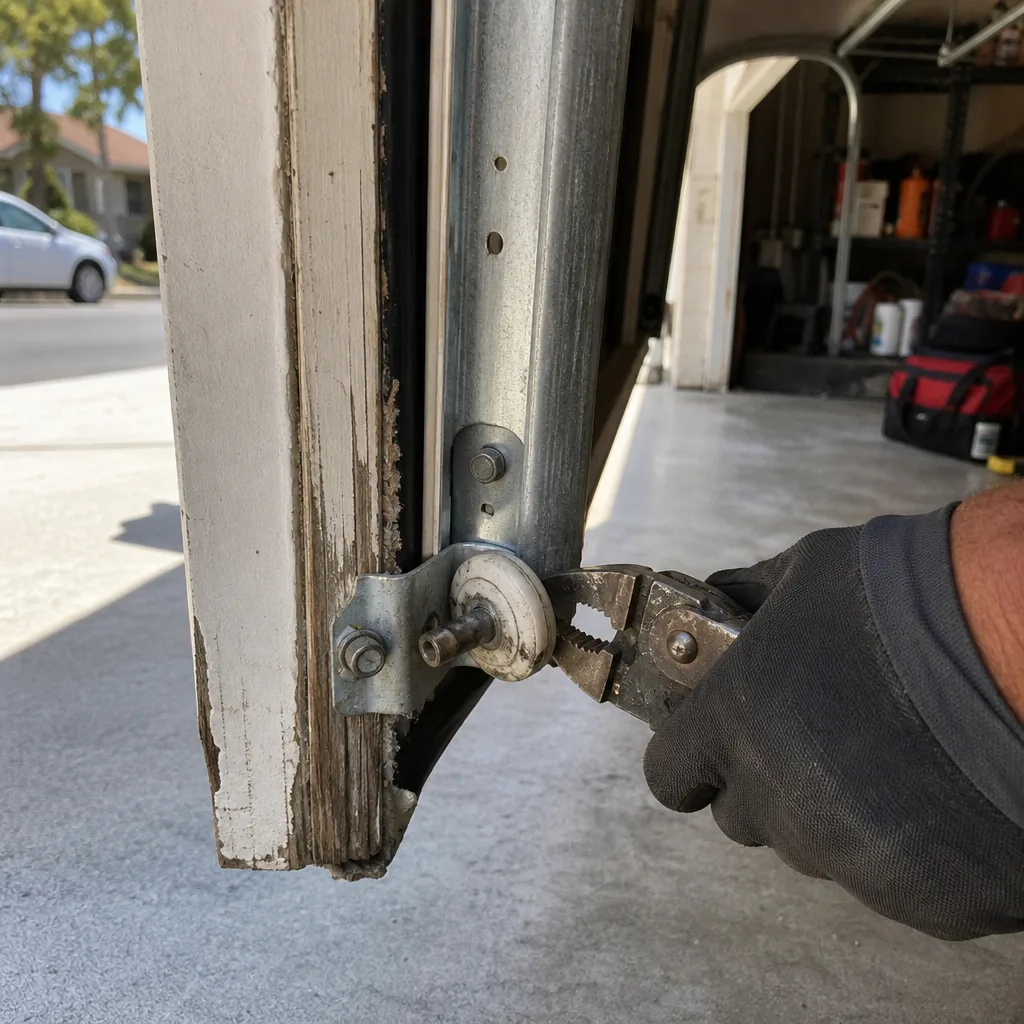
- Photographs of the existing condition. The failed spring, the worn rollers, the torn seal, the damaged panel edge. You should see the evidence that justifies the recommendation.
- The warranty terms in writing. What is covered, for how long, and what voids it. Our 365-Day Done Right Promise means if a repair is not right, we make it right. That promise is written, not spoken.
- Written approval from your HOA, if applicable. The finish approval letter goes in the packet. It stays in the packet after the job is done.
Homeowners in Van Nuys who demand this documentation before they sign protect themselves from the two most common contractor disputes: “You quoted me over the phone, not in writing” and “That part didn’t need replacing, you upsold me.” A documented pre-job packet eliminates both. If any contractor refuses to provide it, that is an answer about how the job will go.
Selecting the Operator After the Door Is Specified
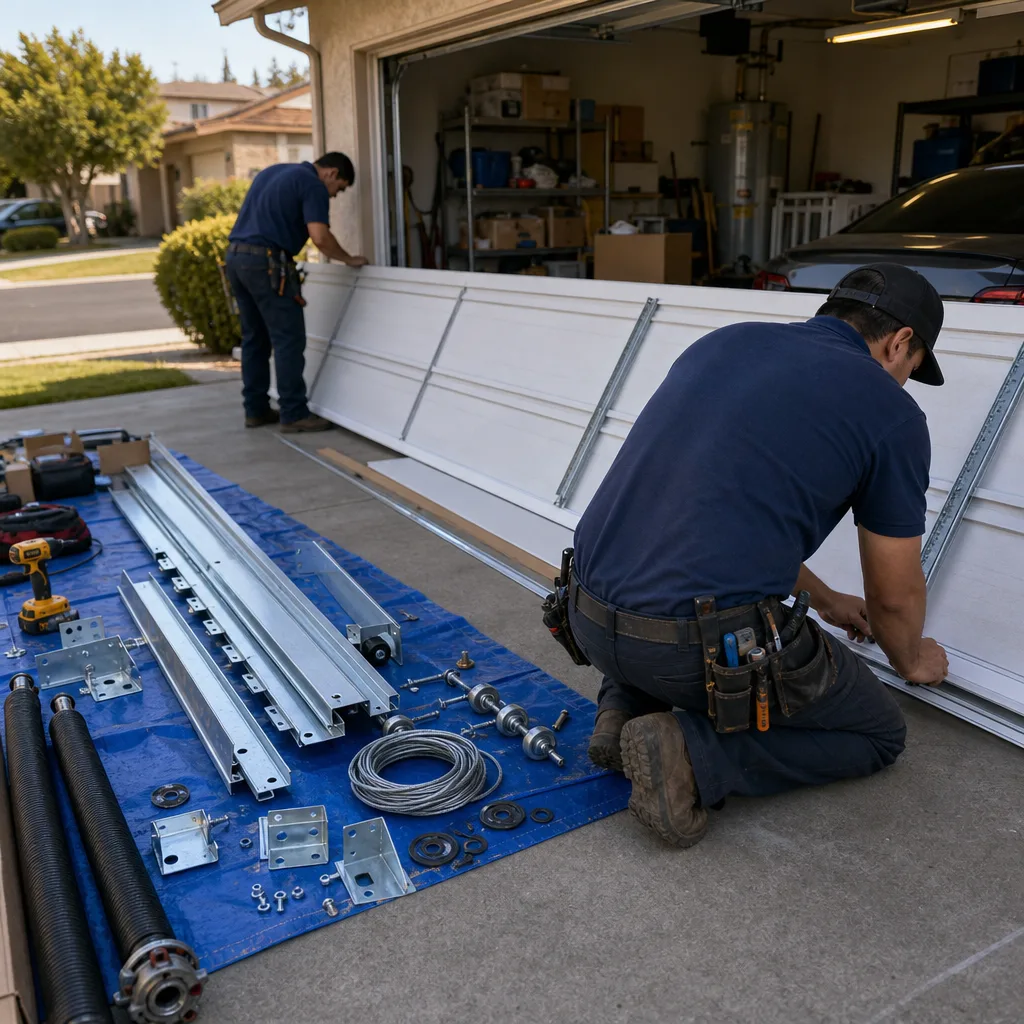
The garage door opener is the last decision, not the first. Once the door’s weight, balance, and cycle requirements are known, the operator selection becomes simple. For most Van Nuys homes, a belt-drive LiftMaster or Chamberlain unit with a DC motor is the default recommendation. Belt drive means quieter operation, which matters in attached garages with bedrooms overhead. DC motors offer soft-start and soft-stop, which reduces stress on the door panels and hinges over thousands of cycles.
For homes with the door directly under a bedroom or home office, the Chamberlain ultra-quiet line and the Genie belt-drive units are both quiet enough that you will hear the door closing more than the motor running. For detached garages, chain-drive remains a lower-cost option that performs the same function with more noise. The opener’s horsepower rating is less important than the door’s spring balance. A properly balanced door can be opened by hand with one arm and should not require the opener to work hard. If a technician installs an opener on a door with a broken or improperly wound torsion spring, the opener becomes a wear item, and the door’s cycle life drops sharply.
One Van Nuys-specific note: openers with DC motors and battery backup are worth the extra cost here. Van Nuys sits in a grid where summer heat events can trigger rolling blackouts, and residents who park in the garage need to know they can open the door when the power is out. A battery backup kit gets you 20 to 50 open-close cycles on most LiftMaster and Chamberlain models. That’s not a convenience feature; it’s a way to avoid being locked out of your own garage during an August heat advisory.
Common Mistakes to Avoid
- Ordering a door before measuring headroom. We see this at least once a month in Van Nuys. The door is special-ordered, the install crew arrives, and the torsion spring assembly doesn’t fit. The homeowner pays for a low-headroom conversion or a return freight charge.
- Starting HOA approval after the door ships. Some Van Nuys associations take a month to approve finishes. If the door arrives before the approval letter, you either store it in the driveway for weeks or install it and hope the board says yes. Neither is good.
- Choosing a dark color for a west-facing door. Dark bronze or black panels on the west side of a Van Nuys garage absorb afternoon heat and fade faster than light finishes. The surface temperature difference is measurable, and the maintenance difference is visible within five years.
- Buying the opener before the door is specified. The opener must match the door’s weight, balance, and cycle rating. Selecting the motor first is like choosing tires before you know the rim size.
- Skipping the written scope and price. A verbal quote is not a quote. In Van Nuys, where the difference between a wrote scope and a handshake can be $400 in “unexpected” fees, written documentation is the only protection that holds up.
- Replacing the door when the hardware was the problem. A torn bottom seal, worn rollers, or a failed hinge can make a door look worse than it is. Before replacing a $2,000 door, check the $30 parts. A door with good panels and bad hardware should be repaired, not replaced.
When to Call a Professional
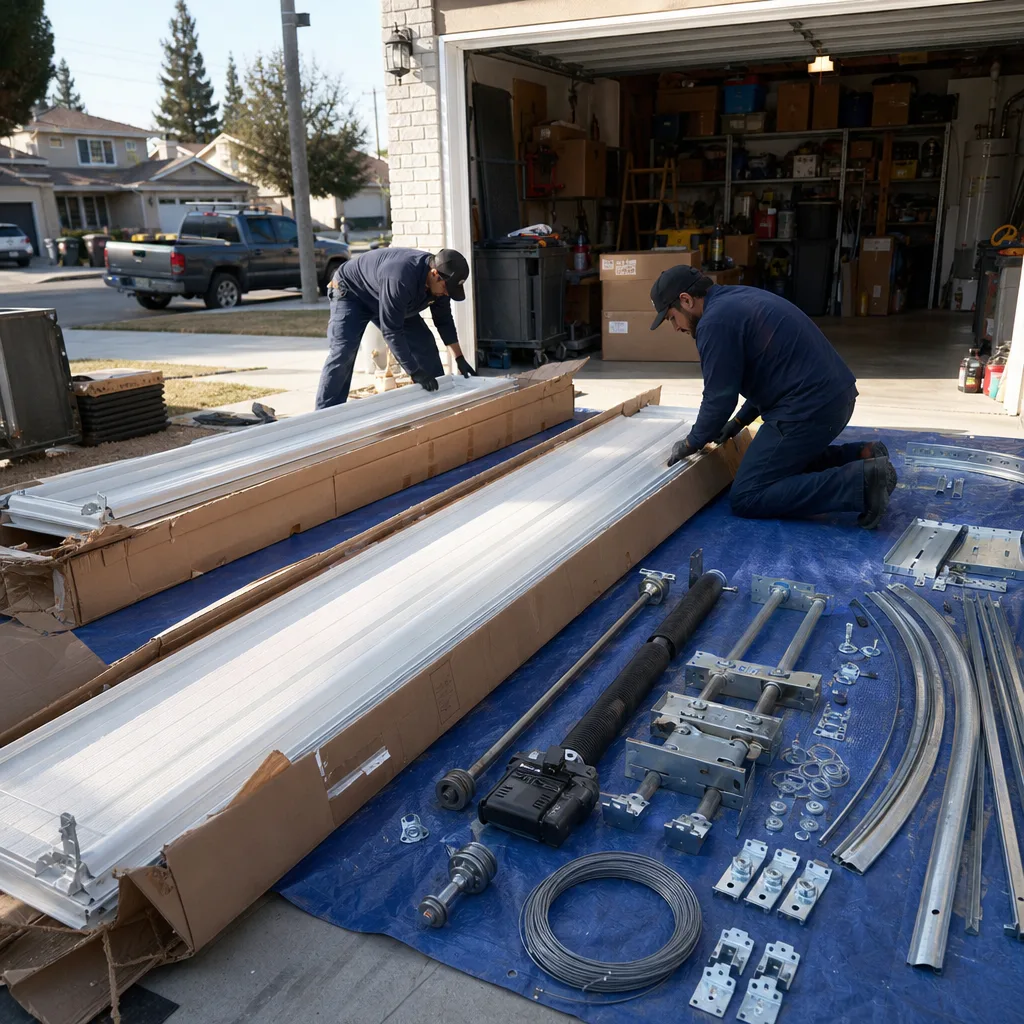
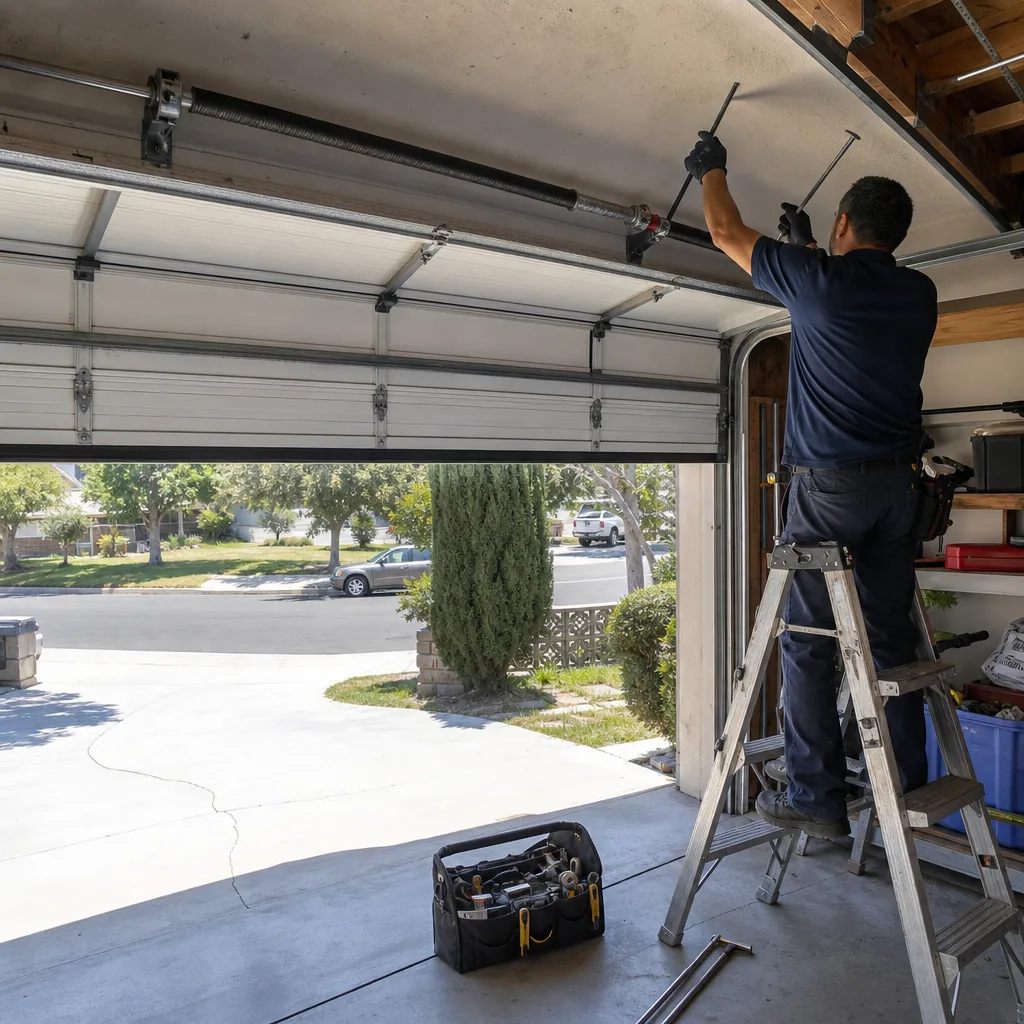
You should call a professional for torsion spring replacement without exception. The torsion spring is a high-tension component that stores enough energy to cause serious injury if it releases during removal. Do not attempt this as a DIY project. You should also call for any repair involving cable replacement, track realignment, or door balance issues, since a door that falls off its track is a several-hundred-pound hazard. Panel replacement, seal replacement, and opener programming are reasonably approachable for homeowners with the right tools and patience. For anything structural, the trained professional carries liability insurance and the correct tools for the job. Garage Door Repair in Van Nuys covers the repair-specific questions, and Servo Garage Doors Van Nuys offers free estimates in Van Nuys, call (213) 418-2520.
Frequently Asked Questions
A properly specified sectional steel garage door installed in Van Nuys typically costs $1,400 to $3,800, with the range driven by panel insulation, finish type, and whether low-headroom hardware is required. The price is quoted in writing before any work begins, and the written scope is part of the quote, not an afterthought. Call (213) 418-2520 for an exact written quote on your opening.
Clopay and Amarr both make steel doors with factory-applied finishes and injected polyurethane cores that hold up well in Van Nuys heat. The brand matters less than the finish system: baked-on polyester over galvanized steel outperforms any aftermarket paint in Valley sun.
Yes, Garage Door Opener Repair & Installation in Van Nuys is available same-day in most cases, including emergency service. Servo answers the phone with a live person 24/7, and the technician arrives with a documented scope and a written price before any work starts. Call (213) 418-2520 for today’s availability.
If your Van Nuys home is in a homeowner association, yes in most cases. The approval timeline varies from 1 to 6 weeks depending on the board’s meeting schedule. Start the approval process when you lock your door dimensions, not after the door is ordered. Keep the written approval letter in your permanent records.
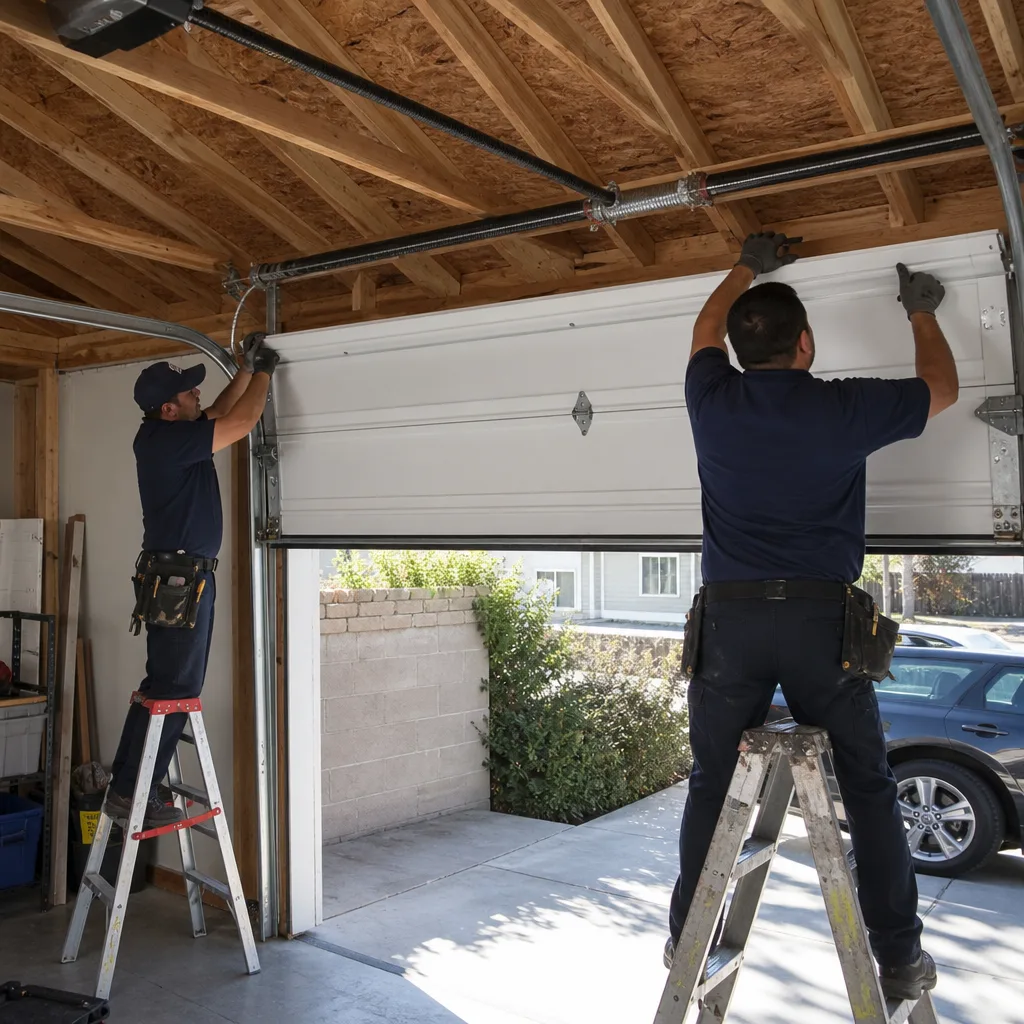
Most Garage Door Installation in Van Nuys jobs take 4 to 8 hours for a standard single-door replacement once the door is on-site. Custom doors and low-headroom conversions add time. The written scope you receive before the job starts will state the expected timeline.
No, not under The Haven Standard. Clause 1 requires a flat, written price and written scope before any work begins, and that price does not change unless the scope changes in writing. You will see the failed component in photographs before a replacement is quoted, which is Clause 4. That is the entire point of the documentation system.
The Bottom Line
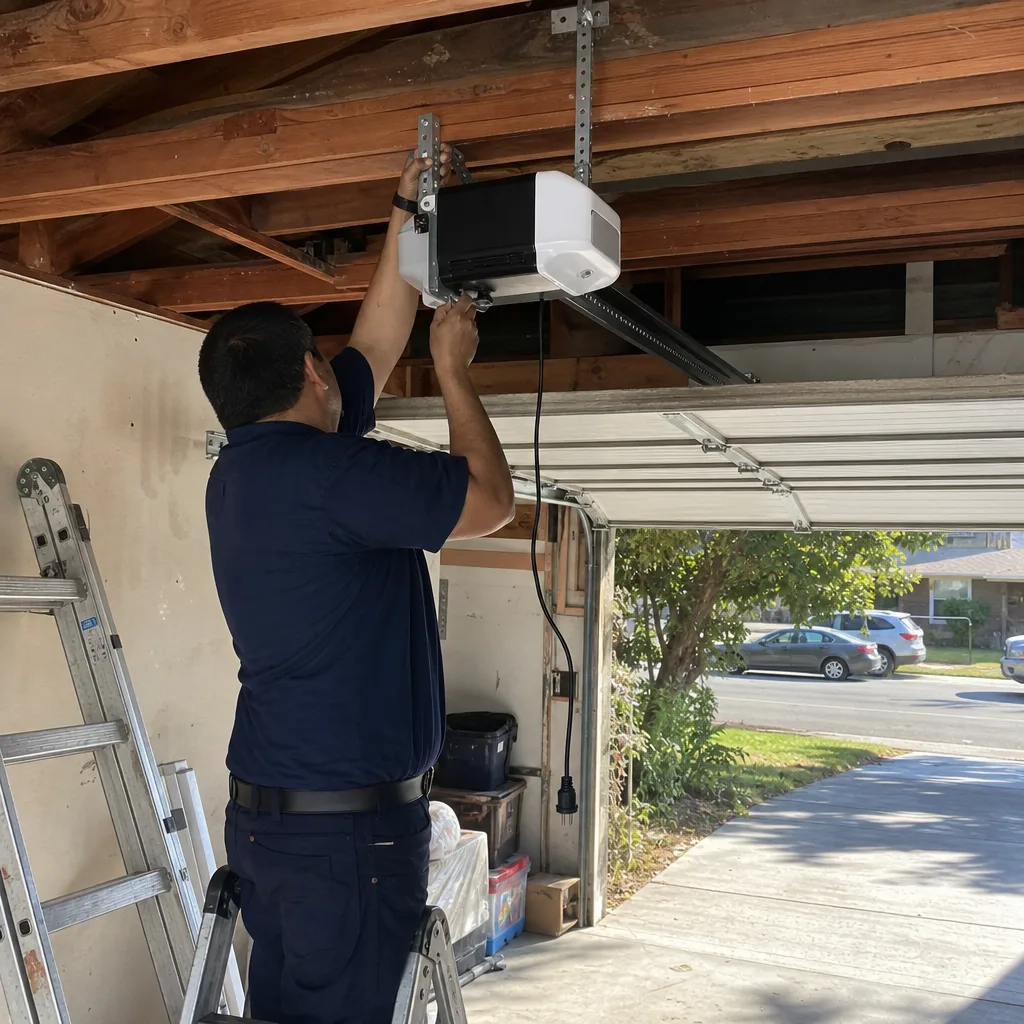
A garage door in Van Nuys is a climate-specific purchase governed by heat exposure, header clearance, and HOA finish rules. Order the decisions correctly: opening dimensions first, then clearance, then insulation need, then finish and HOA approval, then the operator. Insist on written documentation before work starts, a flat price that does not change, and a photo record of what was found and what was done. That record protects you through the HOA resale process and gives you a paper trail if anything fails later. The door itself is important, but the documentation is the difference between a purchase and a liability.
Written by Marcus Deller, Owner at Servo Garage Doors Van Nuys, serving Van Nuys since 2015.